
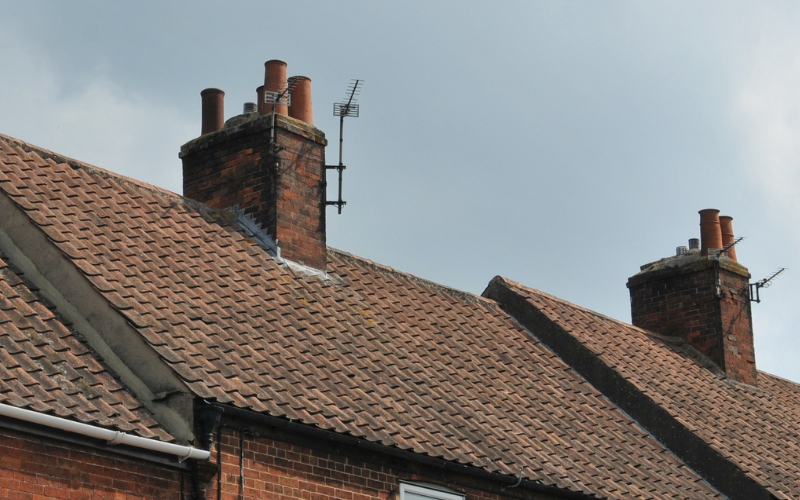
Chimneys remain a common feature in UK housing, even as modern heating systems have become more widespread. Property research suggests that around 55% of homes in the United Kingdom still have a chimney structure, whether in active use or retained as part of the building fabric. This makes chimney maintenance a relevant concern for a large proportion of homeowners, particularly those living in older or period properties.
The primary role of a chimney is to safely remove smoke, gases, and combustion by-products from fireplaces, stoves, and heating appliances. As chimneys rise through the property and extend above the roofline, they are exposed to constant weathering, making them vulnerable to deterioration if not properly maintained.
The main functions of a chimney include:
- Venting smoke and harmful gases safely outside
- Supporting efficient airflow for fireplaces and stoves
- Protecting internal walls and ceilings from heat, smoke, and moisture
- Reducing the risk of fire and structural damage
This guide explains the most common chimney problems found in UK homes, how to identify early warning signs, what chimney repairs typically involve, and how professional maintenance can help protect your roof and property over the long term.
Key Takeaways
- Chimneys are exposed to weather and wear, so even decorative or unused chimneys can develop issues over time.
- Common chimney problems include cracked brickwork, eroded mortar, damaged flashing, failing flaunching, and blocked flues, which can lead to structural and roof damage if ignored.
- Regular maintenance protects your home, prevents water ingress, and reduces the risk of fires or costly repairs.
- Professional chimney repairs involve lead flashing, repointing, brickwork treatment, and flaunching, all of which are offered as part of Miller Roofing’s comprehensive service for long-term protection.
Common Chimney Problems in the UK
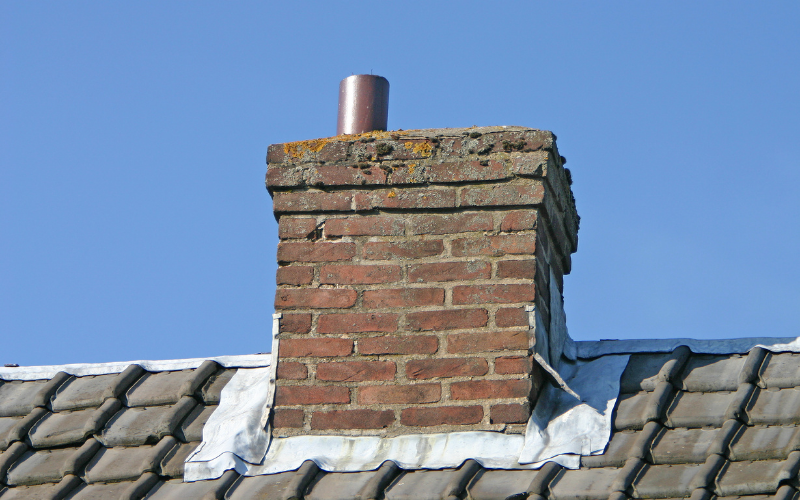
Chimneys in the UK are exposed to persistent rain, freezing temperatures, and strong winds, all of which contribute to gradual deterioration. Many chimney issues develop slowly and can be easy to miss until visible damage appears or internal problems arise.
The most common chimney problems to look out for include:
- Eroded mortar joints, which weaken the structure and allow water to penetrate
- Cracked or spalling brickwork, often caused by trapped moisture expanding during frost
- Damaged or poorly fitted lead flashing, leading to roof leaks around the chimney base
- Failing flaunching, which can allow water to sit at the top of the stack
- Loose or damaged chimney pots, which increase the risk of instability and blockages
- Blocked flues, commonly caused by soot build-up, debris, or bird nests
If left untreated, these issues can lead to more extensive roof damage and higher repair costs.
Importance of Regular Chimney Maintenance
Regular chimney maintenance helps identify early signs of wear before they develop into serious problems. It also ensures your chimney remains safe and structurally sound throughout the year.
| Maintenance Benefit | Why It Matters | Risk If Ignored |
|---|---|---|
| Structural integrity | Maintains brickwork and mortar strength | Loose bricks and potential chimney collapse |
| Weather protection | Prevents water from entering through joints and flashing | Damp, mould, and internal damage |
| Fire safety | Reduces soot build-up and ventilation issues | Increased risk of chimney fires |
| Cost control | Allows minor repairs to be addressed early | More expensive structural repairs later |
Chimney inspections should be carried out at least once a year, particularly for older properties and chimneys that are still in active use, and should always be undertaken by a trusted professional roofer such as Miller Roofing to ensure issues are identified early and repaired correctly.
Chimney Repairs: What’s Involved
Professional chimney repairs focus on restoring both the structural integrity and weather resistance of the chimney. Rather than addressing isolated defects, a comprehensive approach ensures long-term performance and reliability.
Lead Flashing
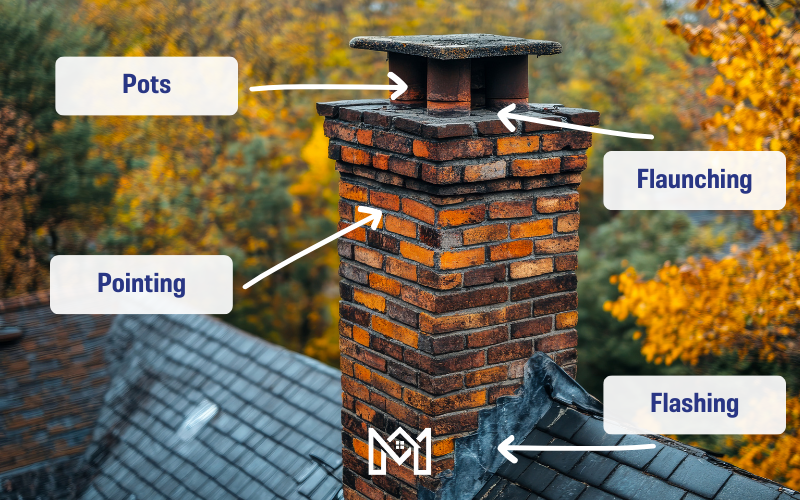
Lead flashing creates a watertight seal between the chimney and the roof. Over time, flashing can crack, lift, or deteriorate, allowing water to enter the roof structure. Repairing or replacing flashing is essential to prevent leaks and internal dampness.
Repointing
Repointing involves removing worn or crumbling mortar and replacing it with new, durable mortar. This strengthens the chimney stack, improves resistance to weather, and helps prevent further brickwork damage.
Treating Brickwork
Brickwork treatments help protect the chimney from moisture while allowing it to breathe. This reduces water absorption, limits frost damage, and extends the life of the brickwork, particularly on exposed chimneys.
Flaunching
Flaunching is the mortar layer at the top of the chimney that secures the chimney pots and directs rainwater away. Damaged flaunching can lead to water pooling and penetration, making renewal an important part of chimney repairs.
4-Part Chimney Service from Miller Roofing
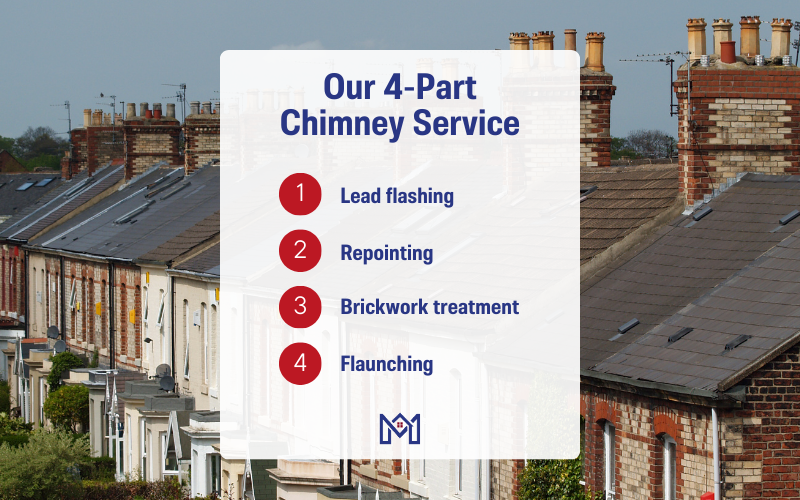
Miller Roofing provides a full, professional chimney service designed to address all key areas of chimney maintenance and repair. As experienced Woking Roofers, we take a structured approach to ensure chimneys are durable and fully weatherproof.
Our four-part chimney service includes:
- Lead flashing inspection and repair
- Chimney repointing to restore strength and stability
- Protective treatment of chimney brickwork
- Repair or renewal of chimney flaunching
By combining these elements into a single comprehensive service, we help homeowners avoid repeat issues and unnecessary future repairs. Whether you require targeted chimney work or a broader Roof Repair Woking service, Miller Roofing delivers reliable workmanship tailored to local properties.