
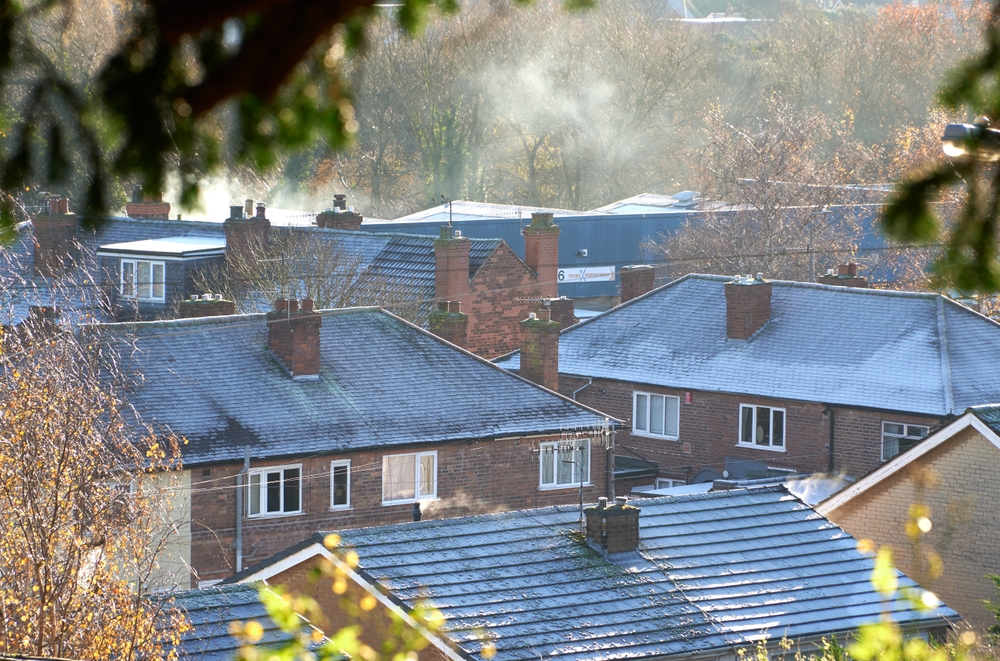
Winter places significant strain on your roof and gutters. Persistent cold, heavy rainfall, frost, and strong winds can weaken structural components, reduce energy efficiency, and introduce moisture into vulnerable areas.
By understanding the issues that frequently arise during the colder months, homeowners can take practical steps to protect their property and avoid expensive repairs.
Key Takeaways
- Winter weather can cause significant damage to roofs and gutters through freezing, moisture buildup, and strong winds.
- Preventative maintenance, including inspections and gutter cleaning, reduces the likelihood of costly winter repairs.
- Proper loft ventilation and insulation help limit condensation and protect internal roof structures.
- Early identification of cracked tiles, loose flashing, or moss growth helps maintain roof integrity throughout winter.
The Freeze-Thaw Cycle and Its Impact on Roofing Materials
Water will often settle in small gaps, cracks, or joints on a roof. When temperatures fall, this water freezes and expands. As temperatures rise, the ice melts, contracts, and allows further water to enter the same spaces. Repeated freeze-thaw cycles gradually enlarge these openings and weaken the surrounding materials.
- The freeze-thaw cycle can cause tiles to crack or fracture, which increases the risk of water penetration.
- Flashing may lift or become distorted as repeated freezing places pressure on the metal.
- Underlay can loosen over time, which compromises its effectiveness in preventing leaks.
A scheduled winter inspection can identify early signs of damage before they become severe.
Ice Build Up and Blocked Gutters
Your guttering system is crucial for directing water away from the property. During winter, melting snow or rainwater can refreeze within the gutter channels, which prevents proper drainage and increases structural stress.
The most common gutter issues seen in winter include:
- Ice accumulation places considerable weight on the gutters, which may cause them to sag.
- PVC guttering can develop cracks when subjected to prolonged freezing.
- Brackets may loosen as a result of excess strain from ice.
- Overflowing water can run down external walls, which increases the likelihood of damp patches and staining.
Regular cleaning in autumn and early winter significantly reduces the risk of winter blockages.
Condensation and Insufficient Loft Ventilation
Condensation forms when warm indoor air meets the cold surfaces within the loft. Without adequate ventilation, this moisture has nowhere to escape. Over time, the resulting damp environment can affect timber, insulation, and roofing felt.
The key indicators of condensation and poor ventilation are:
- A persistent musty odour within the loft, which suggests trapped moisture.
- Damp timbers or darkened patches on wood indicate sustained exposure to moisture.
- Visible mould on surfaces, which signals inadequate airflow.
- Droplets form on roofing felt, particularly after particularly cold nights.
Effective loft ventilation, supported by suitable insulation, helps maintain a dry and balanced environment throughout winter.
Strong Winds and Movement of Roof Tiles
Winter storms can bring forceful winds that place considerable pressure on tiles, ridges, and underlay. Even a single displaced tile can permit water to enter the roof space. If left unaddressed, this can lead to internal damp patches or structural deterioration.
After a severe storm, a brief external inspection can help identify missing, cracked, or misaligned tiles that require attention.
Moss Growth and Retained Moisture
Winter provides ideal conditions for moss to thrive. Moss retains moisture against the tiles, which increases the likelihood of cracking during freezing temperatures. Heavy moss growth can also obstruct gutters and cause tiles to lift out of position.
Professional removal helps prevent long-term damage and maintains the roof’s ability to shed water efficiently.
Practical Measures to Prevent Winter Roof Damage
There are numerous actions that you can take to protect your roof throughout the winter months.
- It is advisable to book a professional roofing inspection before or during winter to identify weaknesses early.
- Gutters should be cleared of leaves, moss, and debris to ensure uninterrupted water flow.
- Any cracked, loose, or missing tiles should be replaced promptly to prevent water ingress.
- Loft insulation and ventilation should be reviewed to ensure they are working together to minimise condensation.
- Overhanging branches should be trimmed so they do not cause additional damage during storms.
Proactive maintenance significantly reduces the risk of winter damage and the cost of future repairs.
Professional Support for Winter Roof Protection
Woking roofers, Miller Roofing, provide comprehensive support throughout the colder months. Our team provides inspections, gutter maintenance, tile repairs, and tailored advice to help homeowners keep their properties safe, dry, and energy efficient.
Contact Miller Roofing to arrange a winter roof assessment and ensure your home remains protected throughout the season.