
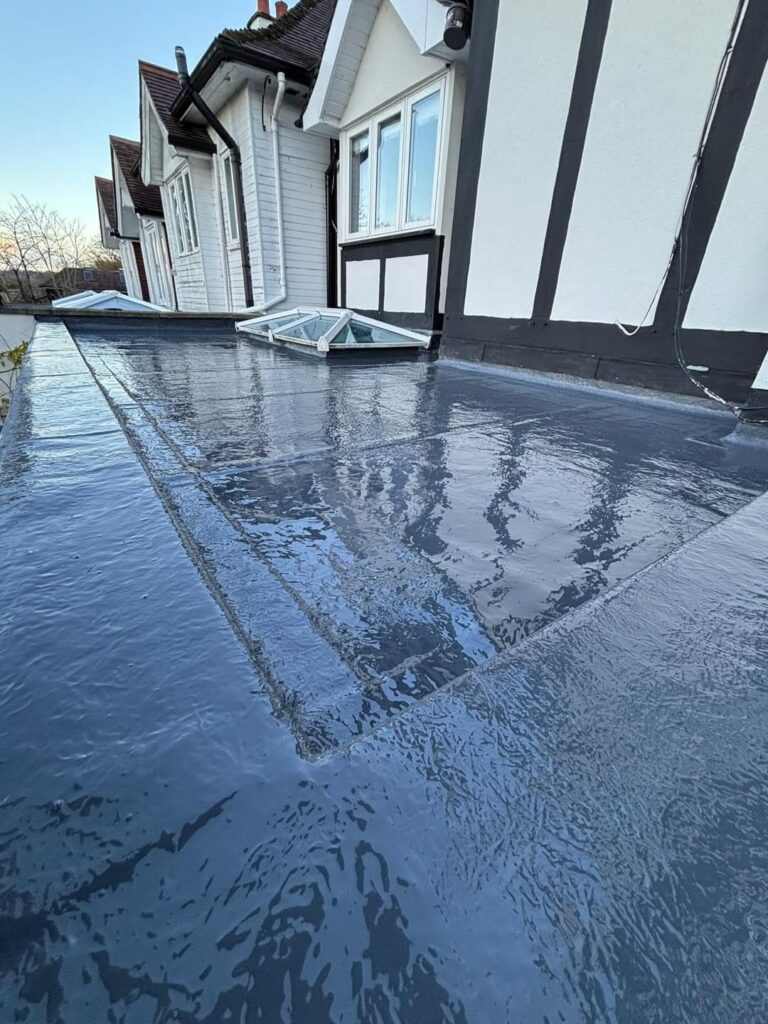
Flat roofing has become one of the most versatile and widely used roofing solutions in modern construction. Once seen as a niche solution, they are now commonly recognised for their ability to provide efficient, functional roofing for both residential and commercial properties.
In this complete guide to flat roofing systems, we explore everything you need to know, including where flat roofs are commonly used, the various pros and cons, maintenance tips, and why Miller Roofing is trusted for expert installation and long-lasting results.
Key Takeaways
- Flat roofs are a versatile and practical roofing solution, suitable for both residential and commercial buildings across the UK.
- They offer benefits such as space efficiency, modern aesthetics, cost efficiency, accessibility for maintenance, and compatibility with energy-saving features like solar panels.
- Proper installation and regular maintenance are essential to maximise durability, prevent water ingress, and ensure long-term performance.
- Miller Roofing offers expert flat roofing services, utilising high-quality materials and professional installation, backed by drone inspections, accreditation, and manufacturer guarantees.
What Is a Flat Roof? Overview & History
A flat roof is a type of roof with a very low pitch, typically less than 10 degrees, which gives it the appearance of being flat while still allowing water to drain effectively. Unlike pitched roofs, which rely on their slope to shed water quickly, flat roofs require carefully designed drainage systems to prevent pooling and ensure long-term durability.
In the UK, flat roofs started gaining popularity in the early 20th century, particularly with the rise of modernist architecture and the growth of urban housing developments. Early designs often faced challenges with waterproofing, but advances in roofing materials and construction techniques over the decades have made flat roofs a reliable and long-lasting solution.
Common Uses of Flat Roofs
The practical design of flat roofs makes them suitable for a wide variety of applications, including:
- Home extensions: Single-storey extensions, conservatories, and rear or side additions.
- Garages and outbuildings: Garages, sheds, and other ancillary buildings.
- Commercial buildings: Offices, shops, and small business premises.
- Public and institutional buildings: Schools, community centres, and other public buildings.
- Housing developments: Shared facilities within modern housing developments, such as bin stores, cycle shelters, or community utility buildings.
- Industrial buildings: Light industrial units and warehouses.
Pros and Cons of Flat Roofing
Flat roofs, like any roofing system, have both advantages and limitations. Below, we list some of the benefits and drawbacks of flat roofing systems.
| Pros of Flat Roofs | Cons of Flat Roofs |
|---|---|
| Versatility: Suitable for a wide range of buildings, providing a flexible roofing solution. | Maintenance needs: Flat roofs require regular inspections to check for wear, debris, or minor damage. Without upkeep, small issues can develop into leaks or more serious problems. |
| Space efficiency: Flat roofs create practical, usable space that can accommodate rooftop terraces, green roofs, or areas for building services, such as air conditioning units or water tanks. | Material lifespan: Some flat roofing materials may not last as long as pitched roof alternatives, meaning replacement could be needed sooner if lower-quality materials are used. |
| Modern aesthetic: Their design complements contemporary architecture, giving properties a sleek and modern appearance. | Drainage and weather impact: Because flat roofs have a low pitch, water can accumulate if drainage is not correctly installed. Poor drainage combined with heavy rain, wind, or snow load can increase the risk of water damage or structural strain. |
| Cost and installation: Generally quicker and simpler to install than pitched roofs, reducing labour and construction time while keeping costs competitive. | |
| Accessibility: The low slope makes it easier and safer to carry out inspections, maintenance, or to install features such as solar panels and satellite dishes. | |
| Energy efficiency: Flat roofs work well with modern insulation systems and solar panel installations, helping reduce energy bills and support sustainable building practices. |
Miller Roofing’s flat roofs are designed to minimise the challenges outlined above. Using high-quality materials such as torch-on, EPDM, and RESTEC membranes, combined with professional installation, our roofs are built to reduce maintenance, ensure effective drainage, and provide long-lasting durability.
Flat Roof Step-by-Step Installation Process
View this post on Instagram
Installing a flat roof involves careful planning, preparation, and skilled workmanship to ensure effective drainage and long-lasting performance. Here’s a typical step-by-step overview of the process:
1. Assessment and Planning
Before installation begins, the roof area is measured, and the structural integrity of the supporting framework is assessed. This ensures the roof can safely support the membrane and any additional features, such as terraces or green roofs.
2. Preparing the Roof Deck
The surface of the roof is cleaned, repaired, and made level where necessary. Proper preparation prevents water ingress and provides a stable base for the roofing membrane.
3. Installing Insulation (if required)
Insulation boards may be laid to improve thermal efficiency. Proper insulation helps maintain energy efficiency, reduces heating costs, and can extend the life of the roof.
4. Laying the Waterproof Membrane
A high-quality roofing membrane is carefully installed over the prepared deck. Seams are sealed, edges are secured, and the membrane is checked to ensure a continuous, waterproof surface.
5. Detailing and Flashing
Corners, edges, and penetrations (like vents, skylights, or pipes) are carefully sealed with flashing to prevent leaks and ensure the roof remains watertight.
6. Inspection and Quality Check
Once installed, the roof is inspected to ensure correct installation, proper drainage, and no visible defects. Any issues are corrected before the roof is considered complete.
7. Optional Features
Depending on the property and design, additional features such as rooftop terraces, solar panels, or green roof elements may be added after the membrane is fully secured.
A flat roof requires precision and expertise at every stage of installation to ensure it performs as intended. With Miller Roofing’s experienced team, you can have confidence that every step of the process, from planning and preparation to finishing touches, is carried out to the highest standard.
Maintenance Tips for Flat Roofs
Proper maintenance is key to keeping a flat roof performing well and extending its lifespan. With regular care, potential issues can be spotted early, preventing small problems from turning into costly repairs. Here are some essential maintenance tips:
- Regular Inspections: Check your roof at least twice a year, ideally in spring and autumn, and after severe weather. Look for signs of wear, punctures, cracks, or pooling water. Early detection is crucial for preventing damage.
- Clear Debris: Leaves, branches, and dirt can block drainage and trap moisture. Regularly clear debris from the roof surface and gutters to maintain proper water flow.
- Check Drainage: Ensure drains, scuppers, and gutters are clear and functioning. Even a low-pitched roof relies on effective drainage to prevent water accumulation.
- Monitor Seals and Flashings: Pay attention to the edges, corners, and any roof penetrations such as vents, skylights, or pipework. Ensure sealants remain intact and there are no signs of leaks or gaps.
- Address Minor Repairs Promptly: Small cracks, blistering, or loose sections should be dealt with promptly. For minor issues, such as debris-related scratches or small punctures, apply temporary sealant or patching products designed for flat roofs. For larger cracks, lifting membranes, or suspected leaks, it’s important to call a professional to prevent water ingress or structural damage.
- Professional Inspections: In addition to seasonal checks, professional roof inspections can provide a more detailed assessment. Miller Roofing offers drone roof surveys, allowing a safe, high-resolution inspection of flat roofs to identify issues that might not be visible from the ground.
Also read: Protect Your Roof in Winter: Common Problems & How to Prevent Them
Did You Know? In addition to flat roofing, Miller Roofing offers a range of other services, including roof repair in Woking and roof replacement in Surrey.
Why Choose Miller Roofing for Flat Roof Installation?
When it comes to flat roofing, choosing an installer you can trust makes all the difference. Miller Roofing, Woking roofers, combines expertise, professionalism, and a commitment to quality to ensure every project is completed to the highest standard.
“Our flat roofing service at Miller Roofing is built around quality materials, skilled workmanship, and clear communication, giving our customers confidence in the long-term performance of their roofs,” says James Miller, Director.
Our service benefits include:
- We bring over 100 years of combined experience across our team, ensuring every project is handled with expert knowledge.
- We are fully insured and accredited, giving you complete peace of mind throughout your roofing project.
- As a trained RESTEC FLEXITEC installer, we offer a 20-year manufacturer’s guarantee on eligible systems.
- We use high-quality roofing materials, including torch-on, EPDM, and single-ply membranes, chosen for durability, performance, and modern design appeal.
- Our drone surveys provide fast, safe, and detailed assessments of your roof’s condition.
- We provide transparent quotes and honest, professional advice at every stage of your project.
Delivering flat roofing in Woking and beyond, Miller Roofing is an expert partner for homeowners and businesses seeking professional roofing services. Contact us today to see how we can help with your flat roof project.